
Jordan’s civil society has grown noticeably over the past decade. More organizations have emerged, especially in humanitarian support, youth engagement, and community work. That growth has made civil society more visible, but it also raises a question: how much room do organizations have to operate in this space? 

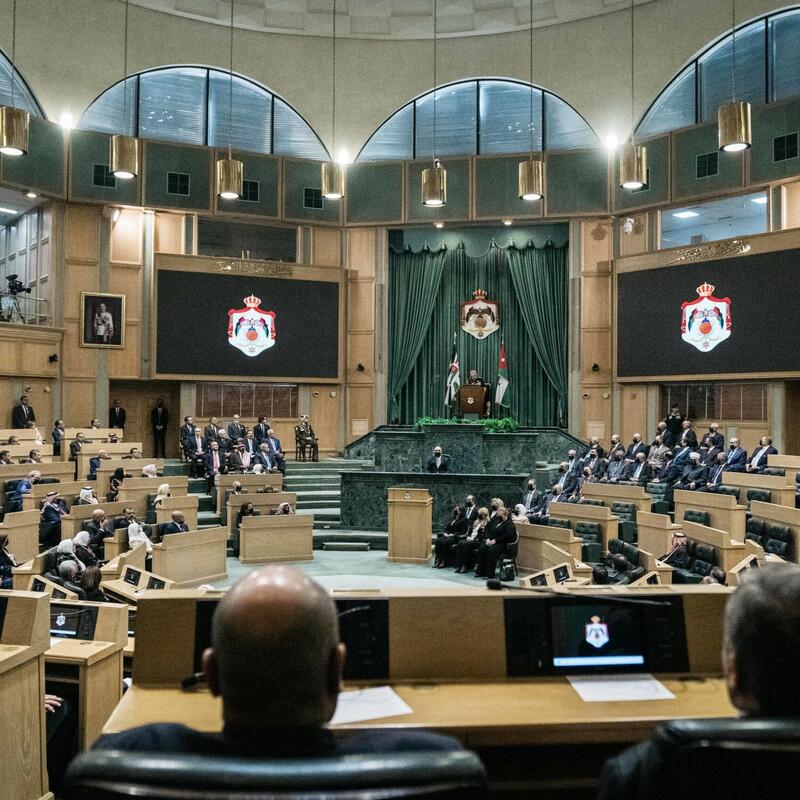
Recent reporting paints a mixed picture. Jordan has an active civil society sector, but one on which the state still has a firm grip. The Ministry of Social Development oversees all NGOs, from registration to funding approvals. Human Rights Watch has also pointed to tight control over civic space and foreign funding, including a December 2023 change that further centralized funding approvals. That matters because civil society is not just about the number of organizations, we also have to consider the conditions under which these organizations operate. 

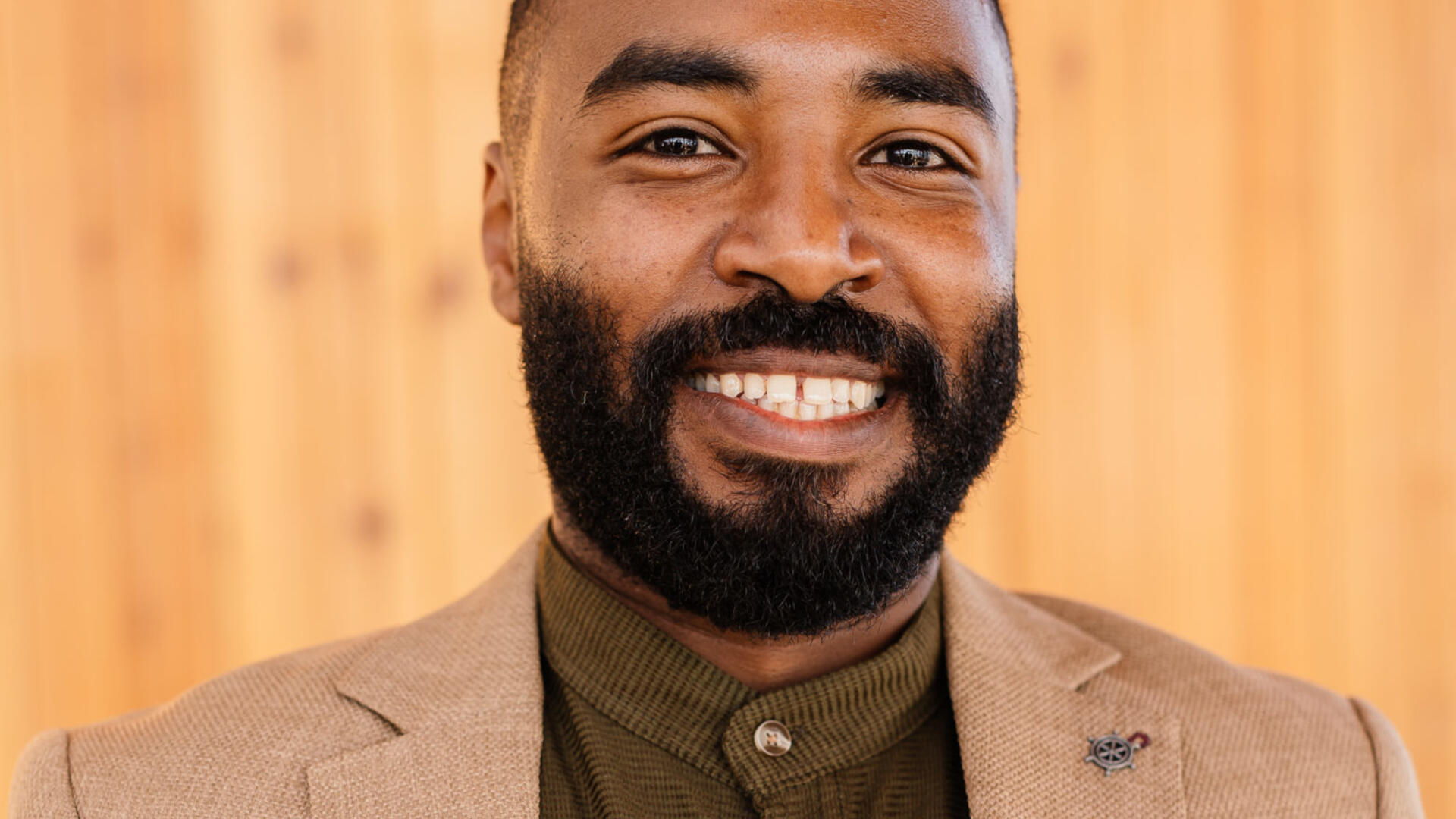
One of the people working in this civic space is Abdallah Dreiat, co-founder of the Green Generation Foundation. Founded in 2014, the organization works on youth environmental leadership, awareness, and community engagement. In our conversation, he described a civil society sector that has grown in Jordan but still operates within limits.
Growth shaped by need

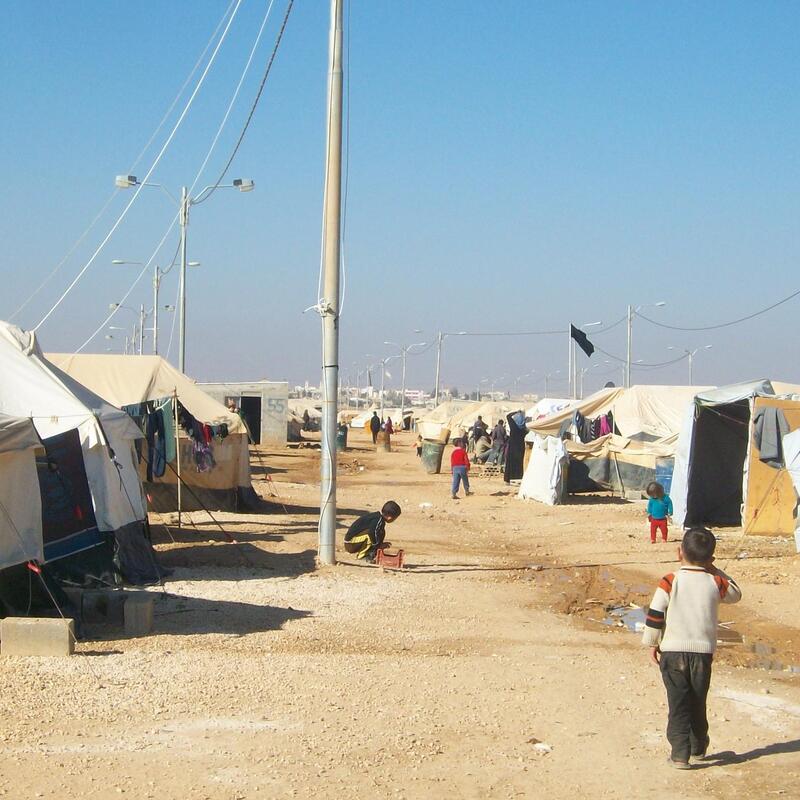
Part of understanding the growth is looking at what has caused it in the first place. For Abdallah, one of the clearest periods of growth came in the years of the refugee arrivals from Syria: “Between around 2013 and 2019 the number of organizations increased rapidly, especially those working with refugees and humanitarian support.” That helps explain a lot about how civil society developed in Jordan. Much of that expansion was due to immediate need on the ground. Organizations grew because communities needed support, and many of them were built around response work. Over time, some of those groups moved into other areas, including youth work and environmental issues.

Syrian refugees

Abdallah spoke about limited resources and about organizations changing their focus depending on what support is available. Instead of having a clear vision and long-term strategy, organizations often move between themes or projects based on what funding opportunities open up.

Foreign funding continues to play a major role in Jordan’s NGO sector, but organizations do not access it freely. State approval remains a key part of the process. According to Jordan’s Ministry of Planning and International Cooperation, more than JD45 million in foreign funding had been approved by the end of October 2024 for nonprofit organizations, associations, and cooperative unions, across 322 projects. The risk of funding being denied forces organizations to remain flexible, making long-term planning difficult.

Cybercrime law

Why the legal environment matters

A different part of the challenge is that the legal environment has become harder to navigate in recent years. Amnesty International says Jordan’s 2023 cybercrime law broadened the kinds of online speech that can be punished, using vague terms such as “fake news,” “provoking strife,” and threatening “societal peace.” The law has been used against journalists and activists, and has contributed to an environment of self-censorship.

These limits also shape sectors that are often seen as generally safe, such as environmental activism, as it’s less politically sensitive. When asked whether this was the same in Jordan, Abdallah said his organization approaches these issues “from the ecological perspective rather than the political one.” But he also mentioned that this is not always straightforward in practice. Environmental questions can easily become politicized.

The cybercrime law also came up in the conversation. Abdallah described it in a contemplative way. He said it has “two dimensions,” with both positive and negative sides, as it protects people from discrimination and disinformation, but also said it can “limit the space to speak freely about your perspective.”

That line is important because it shows how the law works in practice. The Cybercrime law does not entail a direct ban, but censorship appears in smaller ways: in the wording people choose, in the issues they handle carefully, and in the difference between what can be said publicly and what is better kept private. Amnesty’s assessment of the law points in the same direction, arguing that it has narrowed online space and encouraged self-censorship. 

“ Active in society, but still far from influence ”

Jordan’s civil society organizations are clearly present in public life. They run projects, work with communities, and create spaces for participation. But activity does not automatically mean influence. When asked whether civil society organizations in Jordan can really shape policy, Abdallah’s answer was direct: “Until now we are still at the level of awareness, we have not yet reached influencing policy.”

That is the core of the issue. Civil society in Jordan exists and remains active, but there is still a significant gap between raising awareness and shaping decisions. Reports by Amnesty International and Human Rights Watch help explain part of that broader context: organizations operate within legal and administrative limits that can narrow their room to act freely. But Abdallah’s point also suggests something more specific, namely that being active in public life is not the same as having access to policymaking.

Looking ahead

Despite the limits he described, Abdallah did not sound defeated. “We have to be optimistic.” He also emphasized the need to ensure that younger generations have ways to get involved in civil society, whether through environmental work, art, sport, or other forms of community life. Civil society is not only about formal policy influence. It is also about whether people have places to participate, organize, and build something together.

All things considered, there is room to organize and engage, but not without caution. Organizations are doing meaningful work while adjusting to rules they did not set and cannot easily change. Civil society in Jordan is still active and still growing, but growth alone does not tell the whole story.