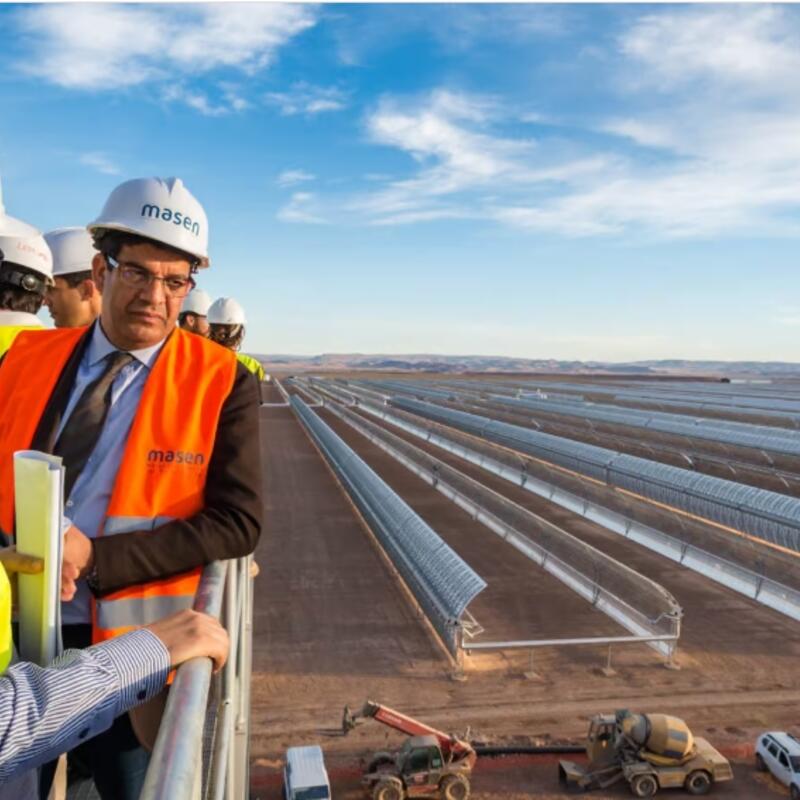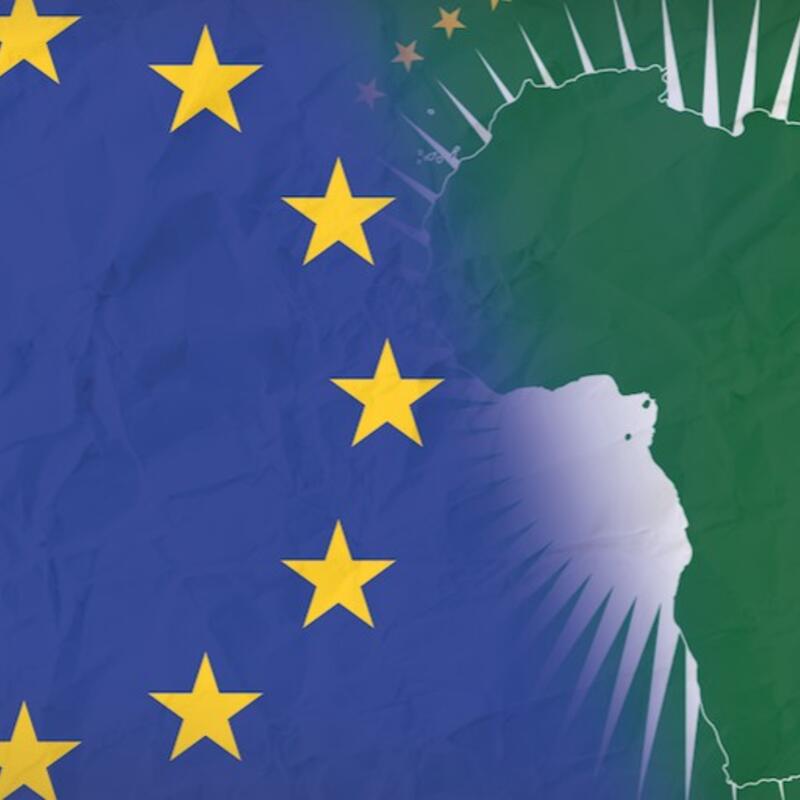

Europe wants to become independent from fossil fuels and is feverishly searching for new sources of green energy. This quest is leading not only to wind farms and solar panels within the EU, but also to major investments beyond European borders, such as in North Africa.
Yet behind the promise of green progress lies a shadow side. How sustainable is an energy policy that depends on countries where human rights are under pressure and that can hardly meet their own energy needs? And how does the local population view the EU’s role? Could this be a new form of neocolonialism?
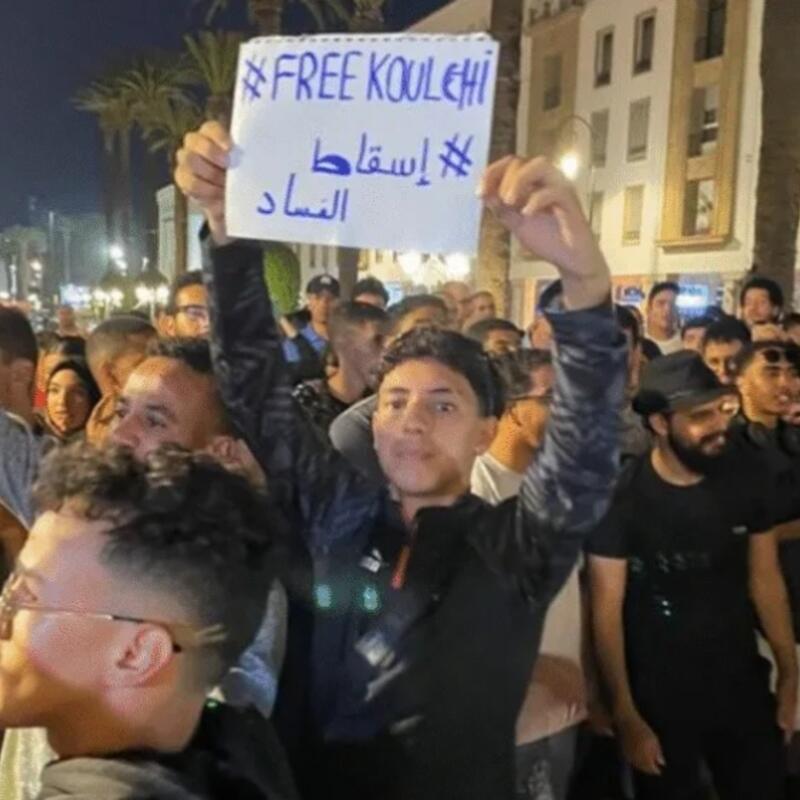
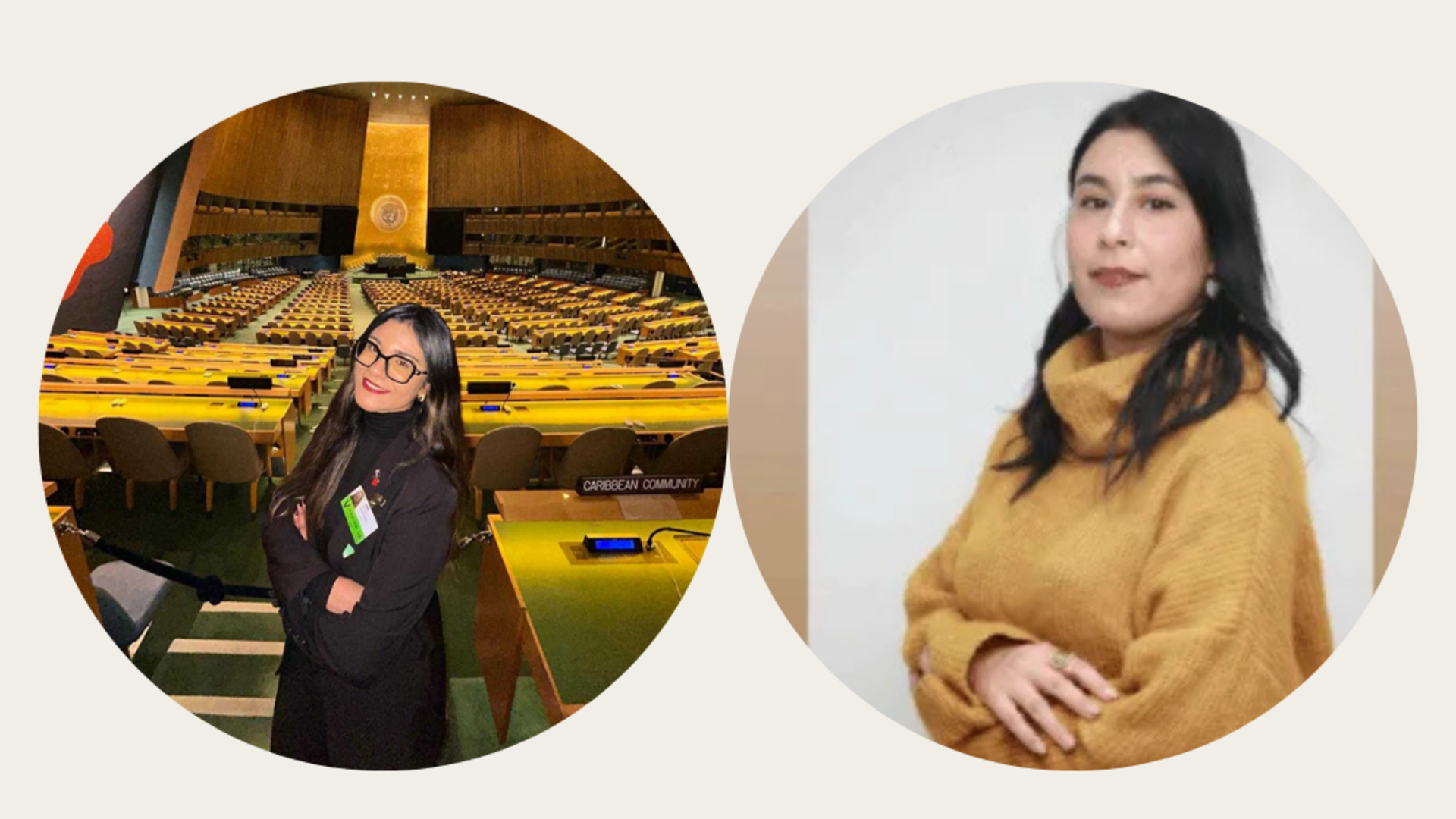
To understand the true impact of these policies, it is essential to look beyond diplomacy and listen to the voices of civil society. Ghada Nasri, an assistant professor at the Higher Institute of Technological Studies (ISET) of Tozeur and a member of the Ifriqiya Association, and Salma Benchahid, a political activist with the Moroccan Green Party (PVM), offer a critical perspective on how European ambitions collide with the lived realities of people in Tunisia and Morocco. It’s important to listen to the voices from North African civil society and politics and share their perspective on activism, civil society and EU climate policy. Therefore, we interviewed Ghada Nasri and Salma Benchahid. We discuss their own activism journey, the current civil space in Tunisia and Morocco and their experience of the current EU approach to climate policy, specifically towards renewable energy.