

EU enlargement is back on the agenda. After Russia’s full-scale invasion of Ukraine in 2022, and amid growing uncertainty about the United States’ role in Europe, EU leaders have increasingly stressed the need to expand the Union. Closer cooperation with countries in Eastern Europe and the Western Balkans is seen as important for the continent’s security and independence.
Yet joining the EU is a complex process. Since reforms in 2021, candidate countries must complete negotiations across 32 policy “chapters”, grouped into six thematic “clusters”. These reforms aim to bring national laws and institutions in line with EU standards. Much attention is usually given to the so-called “fundamentals” cluster, which covers areas such as the rule of law and public administration. However, other clusters are equally demanding.
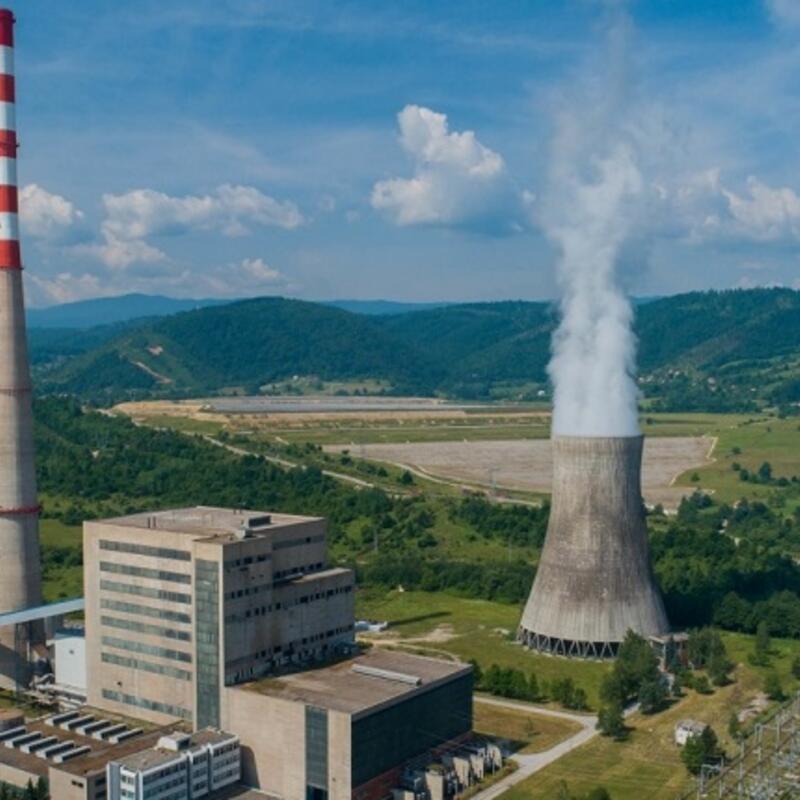
Particularly challenging and complex is Chapter 27, on Environment and Climate Change. Its demands are aligned with the European Green Deal, which aims for climate neutrality by 2050, and therefore requires major investments, strong administrative capacity and coordination between institutions. It also has major social consequences for candidate countries, especially those where jobs and energy systems still depend heavily on fossil fuels.
In this series, we examine how candidate countries are coping with the challenges presented to them by the climate chapters of the EU accession procedure. We analyse their progress on reforms and focus on the complex dynamics of green transition, democratic legitimacy, and social changes. In this article, we zoom in on a small frontrunner: Montenegro.