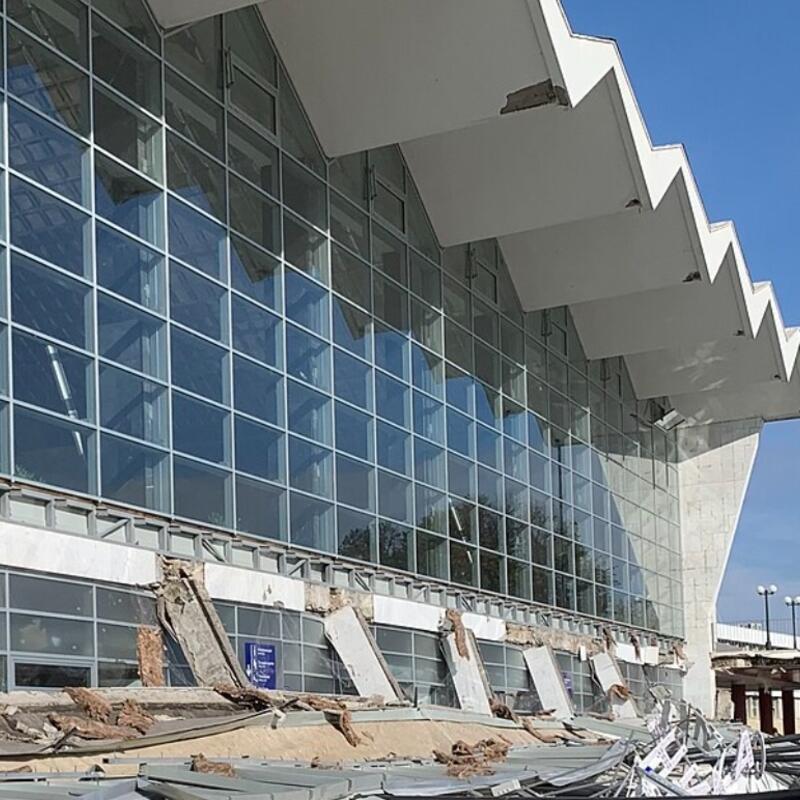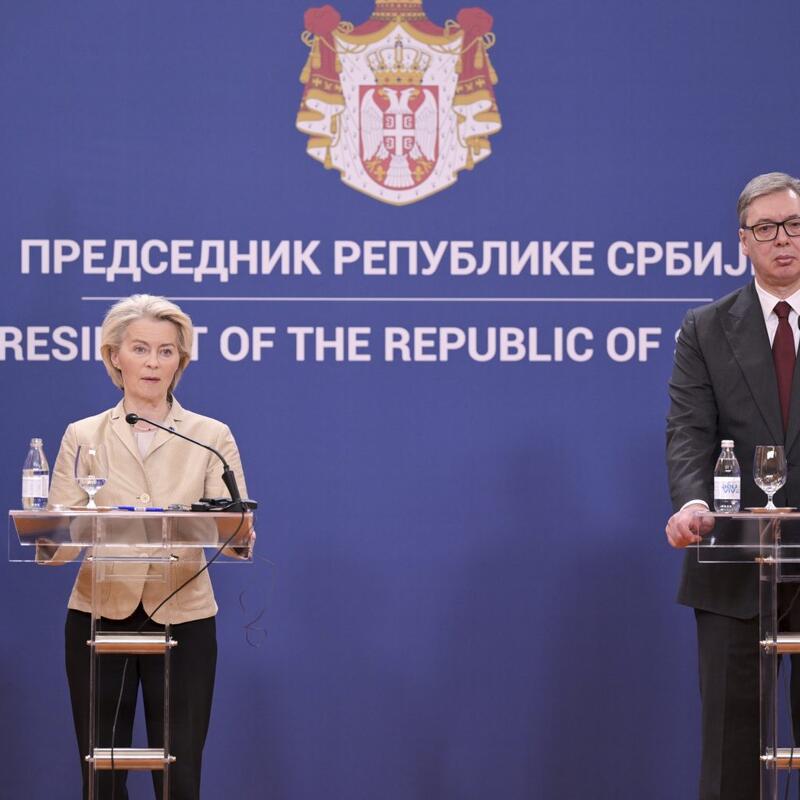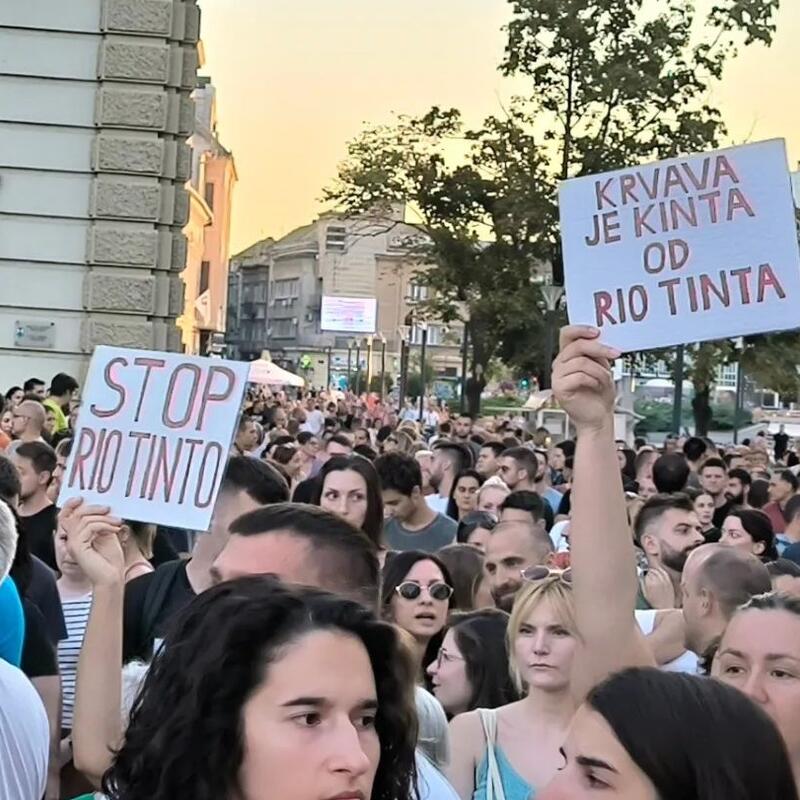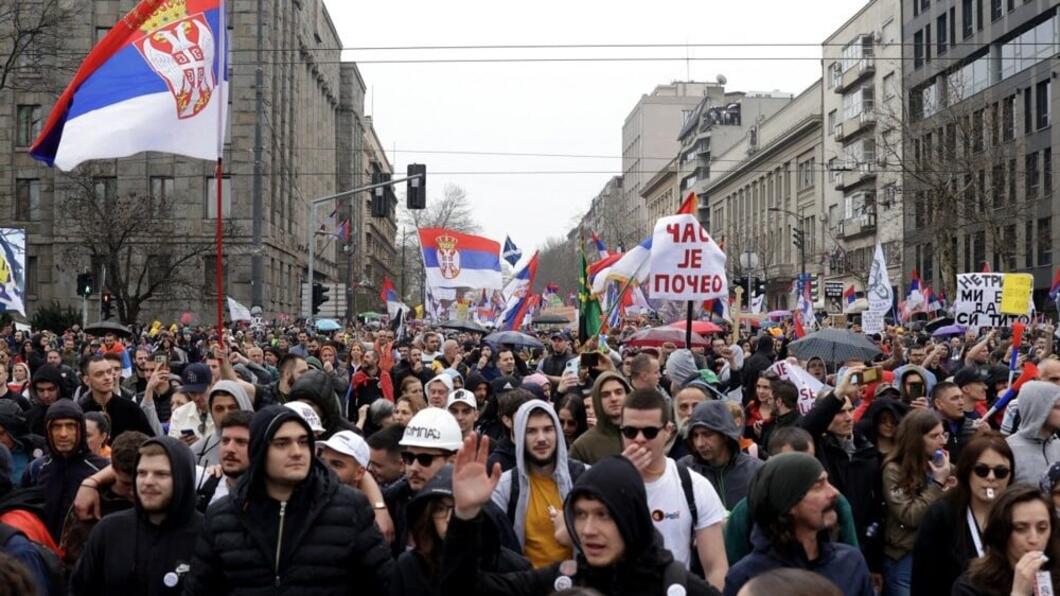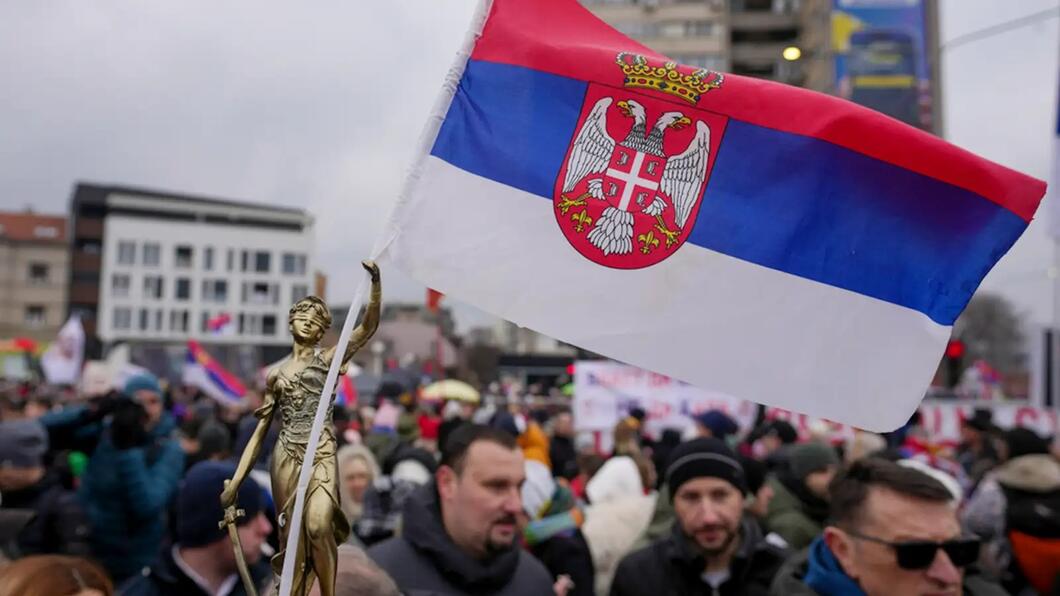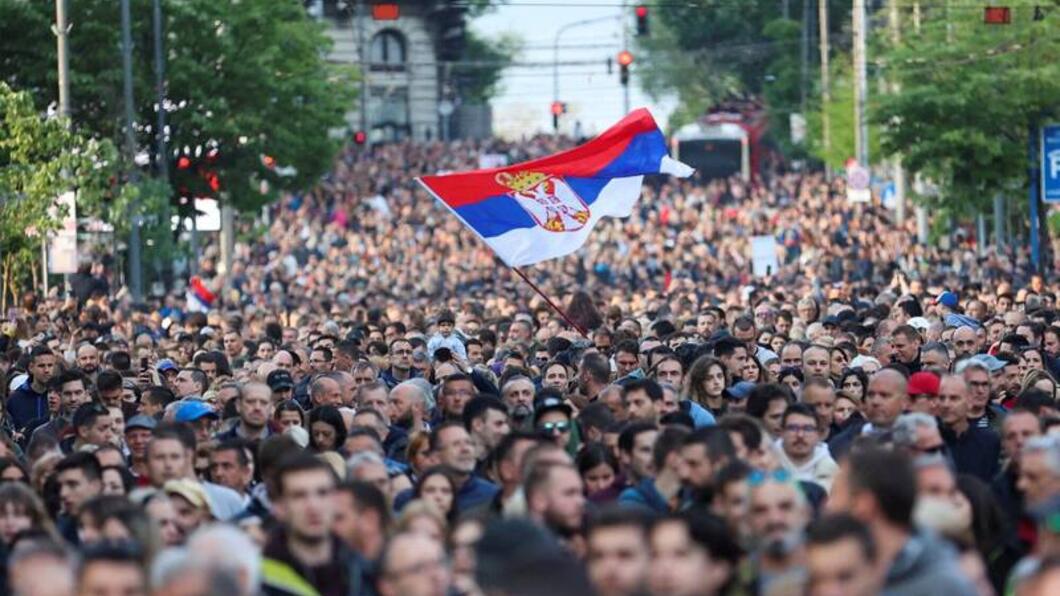

On the 17th of January, thousands of people rallied in The Serbian City Novi Sad. This protest was initiated by the university students who have led more than a year of mass demonstrations aimed at fighting against endemic corruption during the ruling of President Aleksander Vučić. These students have led protest against the corrupt ruling of the president for more than a year. These internal conflicts are hurting Serbia’s prospects as an EU candidate country. While Serbia’s candidate status remains unchanged, the attitude of the Serbian people is shifting. A growing number of protesters are increasingly critical of the European Union. This opposition stems from the belief that European institutions are making deals with Vučić and supporting highly controversial projects, primarily the Jadar lithium mining project.
Overall, there have been a lot of critical views on the EU’s approach to enlargement in the Western Balkans, with critical analysts saying that “the EU talks reform but fuels democratic backsliding, by rewarding autocrats and applying conditionality inconsistently”. Would a neo-idealist approach towards an EU enlargement policy work better in the case of the Western Balkan?
We talked about these topics with Andrej Zlatović a Serbian politician and activist. Andrej completed archeology studies at the Faculty of Philosophy in Belgrade, after which he enrolled in cultural studies at the Faculty of Political Sciences. For many years, he engaged in direct actions in various movements before he started working on systemic changes, initially in the Green Youth of Serbia. Simultaneously with his work at the Center for Green Politics, Andrej works as a co-spokesperson in the Federation of Young European Greens (FYEG).
His main topics of interest are housing, antimilitarism, radical democracy and decolonialism. Within the Center for Green Politics, Andrej deals with the issues of the youngest and oldest in our society, and the implementation of informal education.